St. George Utah Native Plant Landscaping
St. George Utah Native Plant Landscaping: A Complete Guide to Beautiful, Water-Wise Outdoor Spaces
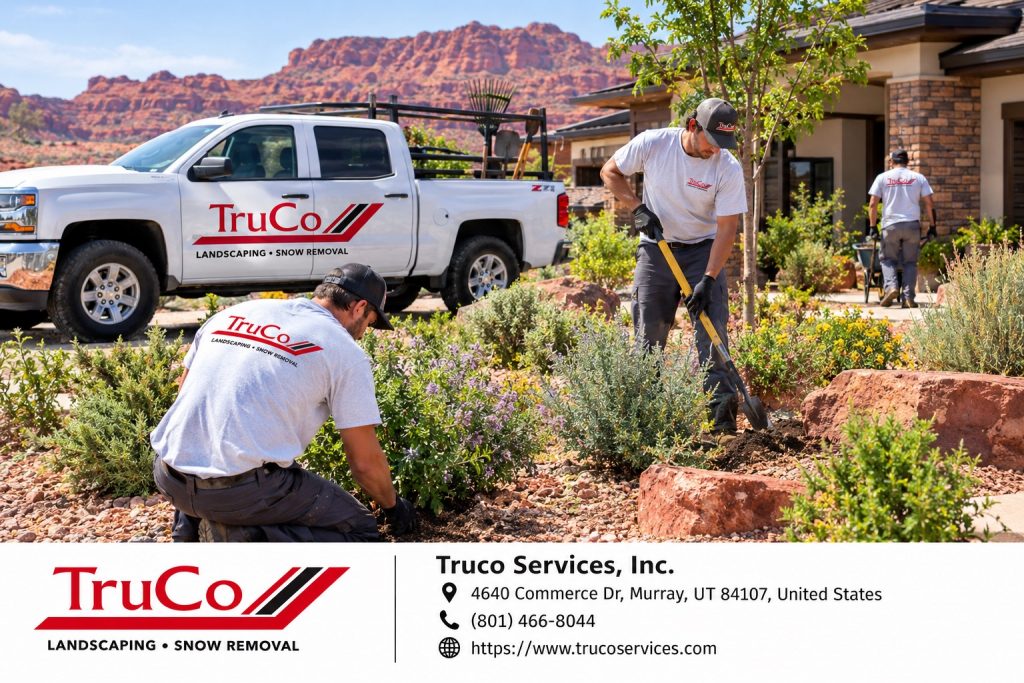
St. George, Utah, offers a unique landscape environment defined by abundant sunshine, warm temperatures, dramatic red-rock scenery, and an arid climate. These conditions create wonderful opportunities for outdoor living, but they also mean that traditional landscaping approaches may require significant irrigation, maintenance, and careful plant selection.
St. George Utah Native Plant Landscaping provides an alternative approach by incorporating plants that are naturally suited—or carefully adapted—to Utah's dry conditions. When combined with thoughtful landscape design, efficient irrigation, appropriate soil preparation, mulch, rock, and hardscape features, native and desert-adapted plants can create an attractive landscape that complements the Southern Utah environment.
Utah State University Extension emphasizes selecting plants according to site conditions such as soil, water availability, sunlight, temperature, and maintenance requirements. It also notes that water-wise landscaping does not necessarily have to consist exclusively of native plants; some non-native plants from similarly dry environments can also perform well in Utah landscapes.
For homeowners and property owners searching for St. George Utah Native Plant Landscaping, working with an experienced landscaping company such as Truco Services, Inc. can help turn a basic yard into a carefully planned outdoor environment.
What Is Native Plant Landscaping?
Native plant landscaping uses plant species that naturally occur in a particular region or are exceptionally well adapted to its environmental conditions. In Utah, native plants can provide valuable options for water-conscious landscapes.
However, "native" does not automatically mean "perfect for every yard." Utah contains many different environments, from mountains and forests to deserts and high plateaus. A plant native somewhere in Utah may not necessarily thrive in the lower-elevation environment around St. George.
That is why professional plant selection matters.
USU Extension specifically cautions that a plant being native to Utah does not mean that it is suited to every Utah landscape. Site-specific factors need to be considered before selecting plants.
A successful St. George native landscape therefore focuses on locally appropriate plants and planting strategies, rather than simply filling a property with anything labeled "native."
If you need related articles, see the following:
St. George Utah Sustainable Landscaping
St. George Utah Hardscape Design
Xeriscape Contractor by St. George UT
Why Native Plant Landscaping Makes Sense in St. George
Water is one of the most important considerations for landscaping in Southern Utah. USU Extension lists St. George's average annual precipitation at approximately 8.8 inches in one of its landscape-water-use publications, illustrating how different the area is from wetter parts of Utah.
This dry environment makes plant selection especially important.
Native and drought-adapted plants can provide several potential advantages:
- Reduced dependence on irrigation after establishment
- Better adaptation to local environmental conditions
- Lower-maintenance planting areas
- Seasonal color and visual interest
- Habitat and food sources for pollinators and wildlife
- A natural connection to Southern Utah's surroundings
- Reduced areas of water-intensive turf
- Greater opportunities for xeriscape-style landscape design
USU's Center for Water Efficient Landscaping researches native plants and water-efficient landscaping specifically because appropriately selected plants can help create attractive landscapes while addressing water-use concerns.
Native Plants Can Be Beautiful
One misconception about native landscaping is that it means having a yard filled with plain shrubs, cactus, and gravel.
That's not the case.
A professionally designed native landscape can include flowering perennials, ornamental grasses, shrubs, trees, groundcovers, accent plants, decorative rock, boulders, pathways, patios, landscape lighting, and other design elements.
Native and desert-adapted plants can provide different textures, colors, heights, and seasonal characteristics. Some produce attractive flowers, while others provide distinctive foliage, seed heads, bark, or branching structures.
The result can be a landscape that feels intentional and highly designed rather than simply "low maintenance."
Popular Types of Plants for Utah Water-Wise Landscapes
The appropriate plant palette for a St. George property depends on the specific site, but Utah's water-wise plant resources include a broad range of trees, shrubs, perennials, grasses, and groundcovers.
USU Extension highlights plants such as mountain mahogany, bigtooth maple, Apache plume, rabbitbrush, and other native species among plants studied or recommended for Utah landscapes.
Possible categories for a St. George landscape include:
Drought-Tolerant Shrubs
Shrubs can provide structure, privacy, screening, and visual transitions between different areas of a landscape.
Native and Adapted Perennials
Flowering perennials can introduce seasonal color without requiring the large lawn areas associated with traditional landscapes.
Ornamental Grasses
Grasses can provide movement, texture, and year-round structural interest when properly selected for the environment.
Native Trees
Trees can provide shade and become important focal points. However, tree selection needs to account for mature size, water requirements, root characteristics, placement, and the property's microclimate.
Groundcovers
Groundcovers can help soften rock areas, fill planting beds, and reduce exposed soil.
The Importance of Choosing the Right Plant for the Right Place
Native plant landscaping isn't simply about selecting plants from a list. Placement is just as important as plant selection.
A plant may tolerate drought but still perform poorly if planted in the wrong location.
Consider:
- Amount of direct sunlight
- Reflected heat from walls and pavement
- Soil conditions
- Drainage
- Irrigation availability
- Mature plant size
- Wind exposure
- Frost exposure
- Desired maintenance level
- Nearby structures
- Existing trees
- Foot traffic
- Views and privacy requirements
USU Extension recommends considering a plant's size, shape, color, water requirements, environmental adaptations, and intended function when planning a water-efficient landscape.
This careful planning can make the difference between a landscape that struggles and one that becomes established successfully.
Creating Hydro-Zones in a St. George Landscape
One of the smartest techniques for water-conscious landscaping is creating hydro-zones.
Hydro-zoning means grouping plants with similar water requirements together. Instead of watering the entire property equally, irrigation can be organized around the needs of each planting area.
USU Extension identifies different water-use zones, ranging from plants requiring little or no irrigation to plants requiring more frequent watering.
For example, a St. George property might have:
Zone 1: Very low-water native plants
Zone 2: Low-water shrubs and perennials
Zone 3: Moderate-water ornamental plants
Zone 4: Higher-water areas where appropriate
This strategy can prevent drought-tolerant plants from being overwatered simply because they share an irrigation zone with thirstier vegetation.
Native Landscaping and Xeriscaping
Native plant landscaping and xeriscaping can work extremely well together.
Xeriscaping is a landscape approach centered around efficient water use. It can incorporate:
- Native plants
- Drought-tolerant plants
- Hydro-zoning
- Efficient irrigation
- Drip irrigation
- Mulch
- Decorative rock
- Gravel
- Boulders
- Limited turf
- Appropriate hardscaping
- Strategic shade
- Thoughtful plant placement
Importantly, xeriscaping does not mean removing every living plant and replacing the property with rocks.
A professionally designed xeriscape can remain lush, colorful, functional, and inviting.
Truco Services' St. George landscaping guidance similarly emphasizes combining water-wise plants, efficient irrigation, mulch, decorative rock, trees, shrubs, groundcovers, and carefully designed planting areas.
Soil Preparation Matters
Even drought-tolerant plants need suitable growing conditions.
Landscape construction can disturb existing soil, compact planting areas, alter drainage, and remove organic material. Before installing a new native plant landscape, the soil should be evaluated and prepared appropriately for the selected plants.
USU Extension recommends considering soil conditions and notes that improving soil with organic matter can benefit many landscape plants. It also emphasizes that some desert-adapted plants prefer excellent drainage and should not be treated like high-water garden plants.
Professional preparation may involve:
- Evaluating existing soil
- Identifying drainage concerns
- Removing unwanted vegetation
- Correcting severe compaction
- Improving planting areas where appropriate
- Establishing proper grades
- Installing irrigation
- Adding suitable mulch or rock
- Installing plants according to their requirements
Native Plant Landscaping for Front Yards
A native landscape can dramatically change the appearance of a St. George home's front yard.
Instead of maintaining a large expanse of turf, homeowners can create planting beds with:
- Flowering perennials
- Native shrubs
- Accent trees
- Ornamental grasses
- Decorative boulders
- Rock mulch
- Curved borders
- Pathways
- Landscape lighting
This approach can create a welcoming entry while reducing the amount of landscape devoted to water-intensive vegetation.
Native Plant Landscaping for Backyards
Backyards have different priorities.
A backyard may need to accommodate entertaining, children, pets, outdoor dining, shade, privacy, or recreation.
Native plants can be incorporated around functional spaces rather than taking over the entire yard.
For example, a design could combine:
Patio + Native Plant Beds + Shade Tree + Decorative Rock + Seating Area + Pathway
This creates an outdoor environment that is both attractive and useful.
Native Plants for Pollinators and Wildlife
Another benefit of carefully selected native plants is their potential value to local wildlife.
Plants can provide:
- Nectar
- Seeds
- Shelter
- Cover
- Seasonal habitat
- Food for insects
- Resources for birds and pollinators
USU Extension notes that plants can be selected to attract birds, butterflies, and bees while also fulfilling landscaping functions such as erosion control, screening, and water conservation.
A native-oriented landscape can therefore serve both aesthetic and ecological purposes.
Maintenance of Native Plant Landscapes
Low-water landscaping does not mean no maintenance.
Newly installed plants need appropriate establishment watering. Trees and shrubs may require pruning. Weeds can appear. Irrigation systems need inspection. Dead plant material may need removal, and some plants benefit from occasional rejuvenation pruning.
The maintenance requirements can become more manageable as plants mature and the landscape reaches its intended design.
Proper maintenance includes:
- Irrigation inspection
- Seasonal pruning
- Weed management
- Mulch management
- Plant health monitoring
- Pest observation
- Removal of dead material
- Tree care
- Irrigation adjustments
- Replacement of unsuccessful plants
The objective is not to eliminate maintenance completely, but to create a landscape whose maintenance requirements are appropriate for the property owner's expectations.
Why Choose Truco Services for St. George Utah Native Plant Landscaping?
When investing in a native plant landscape, the installation itself is only part of the project. Good results depend on planning, plant selection, layout, irrigation, soil preparation, and long-term landscape management.
Truco Services, Inc. is a landscaping company serving Utah and provides landscape-related services that can support water-wise and environmentally conscious outdoor spaces.
Their St. George landscaping resources discuss native and regionally appropriate plants, efficient irrigation, xeriscaping, hardscaping, and landscape design considerations.
Homeowners considering St. George Utah Native Plant Landscaping can benefit from working with a professional team because a properly planned landscape can address the property as a complete system rather than treating individual plants separately.
Truco Services can be contacted at:
Truco Services, Inc.
Address: 4640 Commerce Dr, Murray, UT 84107, United States
Contact: (801) 466-8044
Website: https://www.trucoservices.com
When discussing a project, homeowners can explain their priorities—such as reducing lawn, improving curb appeal, creating a more natural appearance, adding pollinator-friendly plants, improving privacy, or developing a complete xeriscape—and have the landscape planned around those goals.
Designing a Landscape That Fits Your Property
Every St. George property is different.
A successful native landscape should account for the home's architecture, lot size, existing vegetation, driveway, sidewalks, outdoor living spaces, drainage, irrigation infrastructure, sunlight, soil, and desired maintenance level.
The design should also consider how the landscape will look after plants mature.
A common mistake is designing according to how plants look when newly installed rather than considering their eventual size. Proper spacing can prevent overcrowding and reduce future pruning requirements.
Professional planning can also establish visual hierarchy. Taller plants can frame a property, medium shrubs can create transitions, and lower plants can define pathways and planting beds.
Native Landscaping Can Increase Outdoor Enjoyment
The goal of landscaping isn't simply to make a property look good.
A well-designed outdoor space can make the property more enjoyable.
Native and water-wise planting can frame patios, soften walls, define outdoor rooms, create privacy, provide shade, and introduce seasonal color. Strategic plant placement can also make outdoor spaces feel more connected to the natural character of Southern Utah.
Rather than fighting St. George's climate, native landscaping works with it.
Final Thoughts on St. George Utah Native Plant Landscaping
St. George Utah Native Plant Landscaping is an excellent approach for property owners who want an attractive outdoor environment that responds to Southern Utah's dry climate.
The most successful projects go beyond simply planting native species. They consider soil, sunlight, irrigation, drainage, mature plant size, water requirements, hardscape, maintenance, seasonal interest, and the way people will actually use the property.
Utah State University Extension's water-wise landscaping resources reinforce the importance of choosing plants adapted to site conditions and grouping plants according to water requirements.
With thoughtful planning, a St. George landscape can include beautiful flowering plants, native shrubs, trees, grasses, groundcovers, decorative rock, patios, pathways, lighting, and other features while being designed with water conservation in mind.
For homeowners ready to explore a professionally planned native or water-wise landscape, Truco Services, Inc. is available to discuss landscaping needs and project goals.
Truco Services, Inc.
4640 Commerce Dr, Murray, UT 84107, United States
(801) 466-8044
www.trucoservices.com


Comments
Post a Comment